By Alistair Finch, Senior Editor
The Definitive Guide to Your Indonesia Tour Package: A Seasonal Breakdown
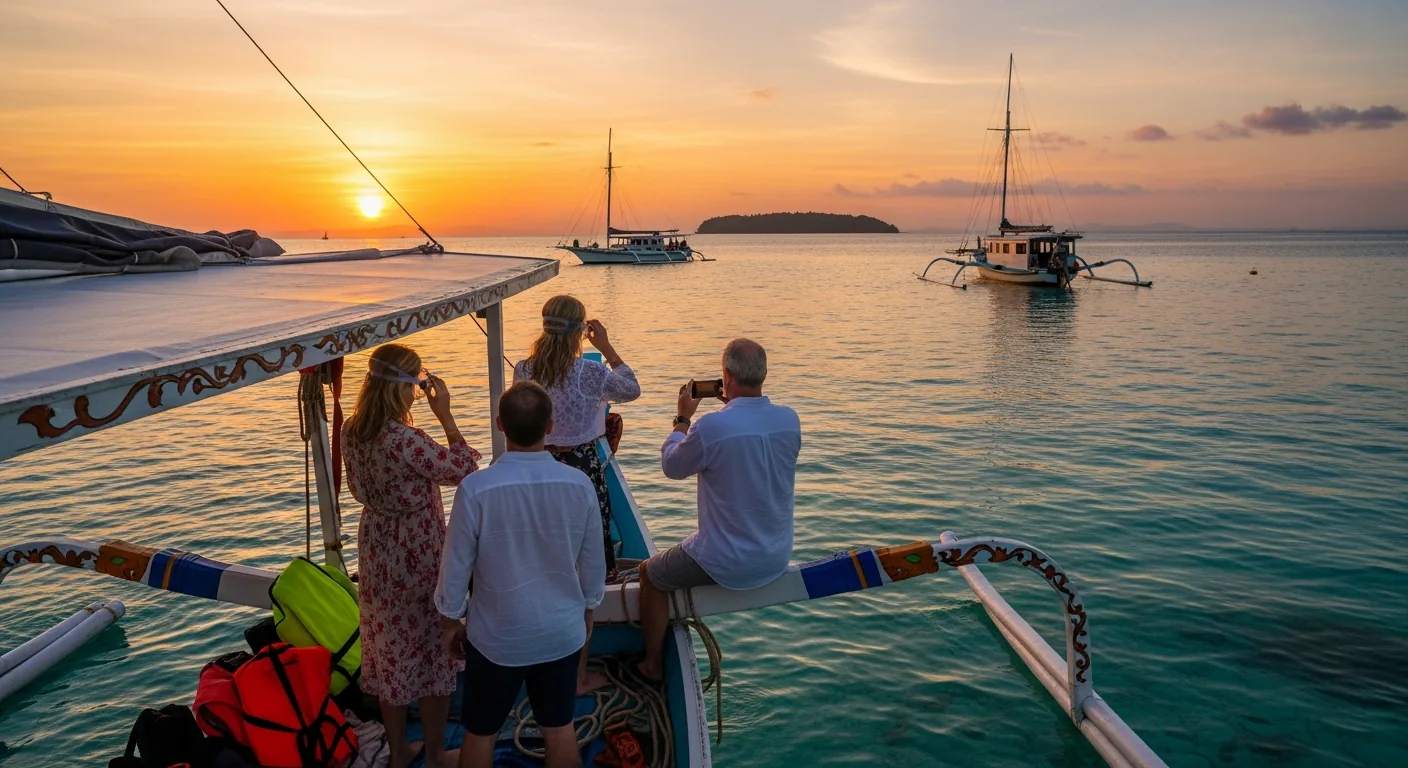
The pre-dawn air over the Flores Sea carries the scent of salt and dry earth, a distinct overture to the spectacle of Komodo. Below deck, the gentle hum of the generator is the only sound breaking the silence. This is the quiet hour before the sun crests the volcanic peaks of Padar Island, a moment of profound stillness that defines the perfect Indonesian journey. But achieving this moment, and countless others like it across the archipelago, from the spiritual heart of Java to Bali’s verdant terraces, is less about chance and more about precise timing. The question is not simply if you should go, but a far more critical one: when?
Decoding Indonesia’s Dual Climates: Beyond ‘Wet’ and ‘Dry’
To speak of a single “best time” for an indonesia tour package is to misunderstand the sheer scale of this 17,508-island nation. Straddling the equator, Indonesia doesn’t operate on a simple four-season calendar. Instead, its climate is a complex duality of a dry season, typically running from April to October, and a wet season from November to March. However, this is a broad stroke. A multi-destination itinerary that combines the spiritual gravitas of Yogyakarta, the refined leisure of Bali, and the raw wilderness of the Komodo archipelago requires a more granular, location-specific approach.
In Bali, for example, the microclimate of Ubud (elevation 300 meters) means it receives significantly more rainfall and maintains cooler temperatures than the arid Bukit Peninsula, home to the cliffside resorts of Uluwatu, just 40 kilometers south. During January, Ubud can see over 350mm of rainfall, while the coast receives closer to 100mm. In Yogyakarta, Central Java, the climate is more predictable, with a pronounced dry season that brings clear skies ideal for witnessing sunrise over the 9th-century Borobudur Temple. Meanwhile, the Komodo National Park’s climate is dictated by the sea. The dry season brings calm, glassy waters essential for navigating between the islands of Rinca and Komodo aboard a traditional phinisi schooner. An expert-planned indonesia private tour acknowledges these nuances, crafting an itinerary that aligns with the optimal conditions for each distinct locale.
The Peak Season Window: June to September for Bali and Komodo
For those whose vision of Indonesia is one of unbroken sunshine and placid turquoise seas, the period from June through September is the undeniable peak season. This is when the archipelago aligns to offer its most favorable conditions, particularly for a classic bali komodo tour package. During these months, humidity in Bali drops, and average daily temperatures hover around a comfortable 27°C (81°F). The southeasterly trade winds create ideal surf conditions on the western coasts of Canggu and Seminyak. This is also the time for major cultural events, such as the Bali Arts Festival, a month-long celebration of local dance and craftsmanship held in Denpasar from mid-June to mid-July.
In the Komodo archipelago, these months are prime for maritime exploration. The Flores Sea is at its calmest, allowing for smooth sailing and access to remote dive sites. Underwater visibility at renowned locations like Manta Point (Karang Makassar) can exceed 20 meters, offering clear views of the resident reef manta rays. The arid, savanna-like islands are at their most dramatic, and the lower humidity makes trekking to viewpoints, like the 250-meter-elevation summit on Padar Island, more manageable. The Komodo dragons themselves (Varanus komodoensis), the world’s largest lizards, are often more active during their mating season from July to August.
The trade-off for this meteorological perfection is, of course, demand. Villa rates in prime Balinese locations can increase by 30-50%, and securing a cabin on a premier phinisi requires booking up to a year in advance. This is where an indonesia luxury tour specialist provides its value, leveraging established relationships to secure access.
The Shoulder Seasons: April-May & October’s Strategic Advantage
For the discerning traveler, the true sweet spot often lies just outside the high-season crush. The shoulder months of April, May, and October present a compelling strategic advantage. This period offers a superb balance of favorable weather, reduced visitor numbers, and more competitive pricing. The landscape, particularly in Bali and Java, is exceptionally vibrant, still lush from the remnants of the wet season rains but enjoying progressively sunnier days. See also: Indonesia Tour Package Co..
In Central Java, the slightly cooler temperatures of May make exploring the vast temple complexes of Borobudur and Prambanan a more pleasant endeavor. This month also hosts one of Indonesia’s most significant cultural events: Waisak (Vesak). On the full moon of the fourth lunar month (usually in May), thousands of Buddhist monks and pilgrims congregate at Borobudur for a series of ceremonies, culminating in a lantern-releasing ritual that illuminates the ancient monument. Witnessing this is a highlight of any indonesia cultural tour.
In Bali, hotel occupancy can be as much as 20% lower than in August, opening up better availability at top properties. The occasional afternoon shower is possible but is often brief and refreshing. For marine life enthusiasts, the shoulder season in Komodo can be particularly rewarding. While the seas begin to change, conditions are generally still excellent for sailing, and the transition between seasons can bring unique marine encounters. Planning an indonesia private tour during these months allows for a more serene and intimate connection with each destination.
- April-May: Lush green landscapes post-rainy season; Waisak festival at Borobudur; excellent diving conditions in Komodo before the crowds arrive.
- October: End of the dry season with comfortable temperatures; reduced prices for accommodation; still-calm seas in Komodo for late-season sailing.
- Fewer Crowds: Experience landmarks like the Tegallalang Rice Terraces or the summit of Padar Island with a fraction of the high-season visitors.
Wet Season: A Curated Approach from November to March
Conventional wisdom often dismisses Indonesia’s wet season (November to March) entirely. This is a mistake. While it presents certain challenges, it also unlocks a different, equally compelling side of the archipelago. A well-planned indonesia tour package during this time focuses on experiences enhanced, not hindered, by the seasonal rains.
This is when Bali is at its most verdant and spiritually resonant. The rain, typically arriving in intense but short-lived afternoon downpours, washes the island clean, amplifying the emerald green of the rice paddies in Sidemen and the jungle ravines around Ubud. It’s an ideal time for wellness-focused retreats, cooking classes at establishments like the Javanese-inspired MesaStila Resort, and deep cultural immersion. A significant event is Nyepi, the Balinese Day of Silence, which falls in March. For 24 hours, the entire island, including the international airport (DPS), observes a complete shutdown—no lights, no travel, no work. For a visitor, it is a profound and unique cultural observation. See also: Yogyakarta Cultural Tour.
Yogyakarta remains a strong destination during these months. Temple exploration is still very possible between showers, and the rain brings a dramatic, moody atmosphere to the ancient stones of Prambanan. This is also an excellent time for indoor pursuits, such as a private workshop at Batik Winotosastro, a heritage producer since 1940, or taking in a performance of the Ramayana Ballet, which moves to a sheltered indoor stage. The primary challenge lies with Komodo. The seas can be rough, and many liveaboard operators suspend their trips between January and March. For this reason, we often advise clients to substitute the Komodo leg of their journey with a different destination or focus entirely on a rich Java-Bali cultural itinerary during these specific months. See also: book Contact.
A Comparative Calendar for Your Indonesia Itinerary
Choosing the optimal time for your journey involves weighing the distinct climates and events of Bali, Komodo, and Yogyakarta. This table provides a month-by-month snapshot to aid in your planning for a comprehensive bali komodo tour package.
| Month | Bali | Komodo National Park | Yogyakarta (Central Java) |
|---|---|---|---|
| Jan-Feb | Wettest months. Ideal for wellness, lush landscapes. Low season pricing. | Rough seas. Many liveaboards do not operate. Not recommended. | Rainy season, but temples are quiet. Good for cultural deep dives. |
| Mar | Nyepi (Day of Silence). Unique cultural event. Rains begin to ease. | Still unpredictable seas. Some operators resume late in the month. | Wet season continues, but with more sunny intervals. |
| Apr-May | Shoulder season. Excellent balance of good weather and fewer crowds. | Seas calm. Excellent visibility for diving. Lush, green islands. | Ideal weather. Waisak festival at Borobudur (May). |
| Jun-Sep | Peak dry season. Sunny, low humidity. High demand and pricing. | Prime season. Calm seas, clear skies. Book 9-12 months in advance. | Dry and sunny. Peak season for Prambanan’s open-air ballet. |
| Oct | Shoulder season. Great value. Weather is still mostly dry. | Good conditions persist. Last chance for ideal sailing before the winds shift. | Dry season ends. Comfortable temperatures for exploration. |
| Nov-Dec | Rains begin. Festive season crowds arrive late Dec. Green scenery. | Winds shift, seas become less predictable. Manta season begins. | Start of the wet season. Fewer visitors at major sites. |
Securing Your Ideal Dates: A Booking Strategy
Translating this seasonal knowledge into a perfectly executed journey requires foresight and planning. The lead time for booking your indonesia luxury tour depends entirely on your chosen travel window and the exclusivity of the arrangements you desire. Our role at Indonesia Tour Package Co. is to navigate this complex landscape on your behalf, ensuring access to the best guides, properties, and vessels.
For travel during the peak months of June through September, we strongly advise initiating the planning process 9 to 12 months in advance. This is particularly critical for securing a private charter on a top-tier phinisi yacht in Komodo, such as the 5-cabin Sequoia, which is often fully booked 18 months out for July and August dates. Similarly, premier suites and private pool villas at Bali’s most sought-after properties are reserved well in advance. See also: Indonesia Tour Package Co..
For the excellent shoulder seasons of April-May and October, a lead time of 4 to 6 months is generally sufficient. This allows for ample choice in accommodation and transport while still benefiting from greater value. If your plans are flexible and you wish to travel during the wet season (November to March), focusing on a Java-Bali indonesia cultural tour, arrangements can often be made 2 to 3 months prior. The key takeaway is that the sooner the conversation begins, the more refined and seamless your final itinerary will be. Our process is collaborative, designed to align your personal preferences with the optimal seasonal opportunities across the archipelago.
To begin designing your private Indonesian itinerary, please contact our travel specialists. We can provide detailed, up-to-the-minute advice tailored to your specific interests and schedule, ensuring your journey is timed to perfection.
Contact Indonesia Tour Package Co.:
- Phone / WhatsApp: +62 811 3941 4563
- Email: [email protected]
- Bali Office: Jalan Sunset Road No. 88, Kuta, Badung, Bali 80361